





Analysis of Robot Joint Noise and Wear and Material-Based Solutions
Date:2026-06-22 11:58:38 Browse:335 Author:优宝新材料科技
With the increasing application of industrial robots in modern manufacturing, system stability and reliability have become key concerns for end users.
In practical applications, many customers report issues such as abnormal noise in robot joints, slight motion hesitation, or reduced smoothness after long-term operation.
These problems often do not appear in the early stage but gradually become more noticeable over time, eventually affecting overall performance.
1. Structural Characteristics of Robot Joints
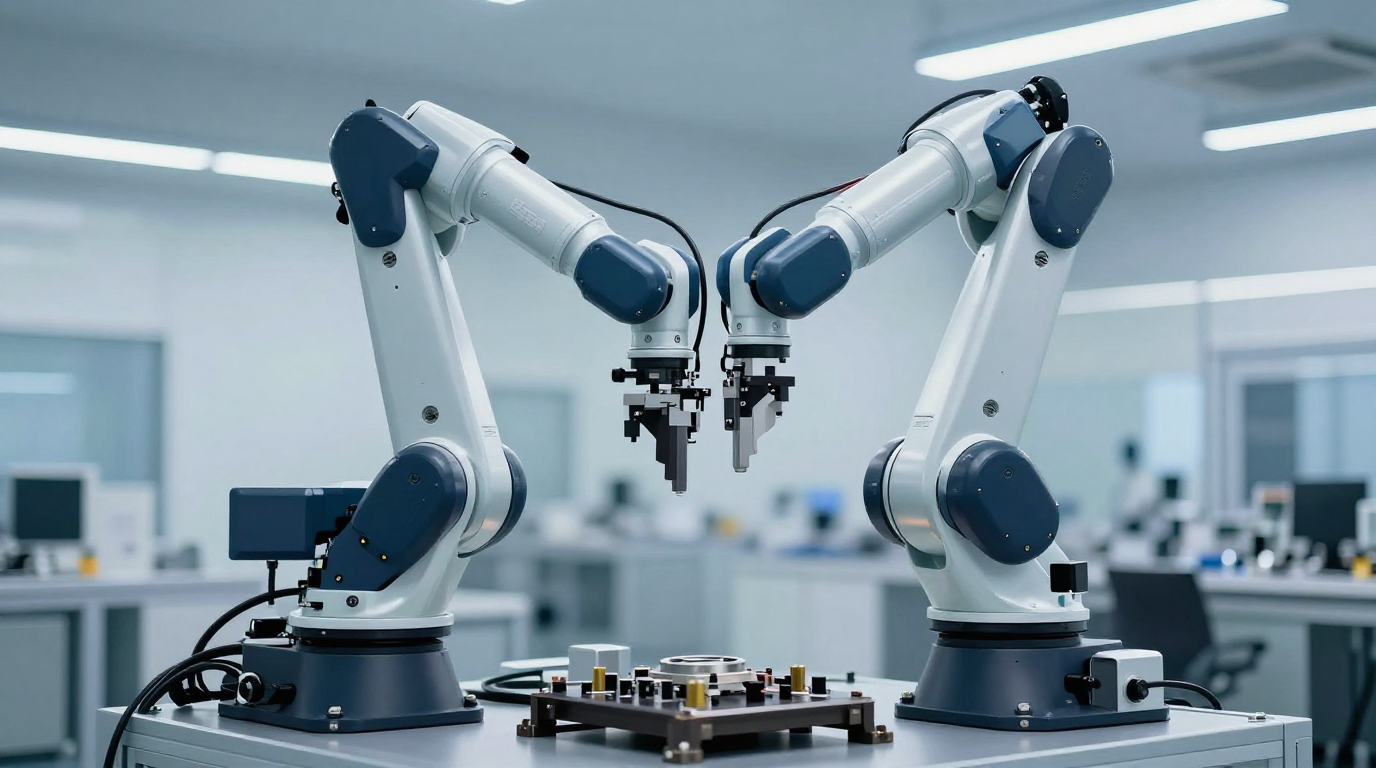
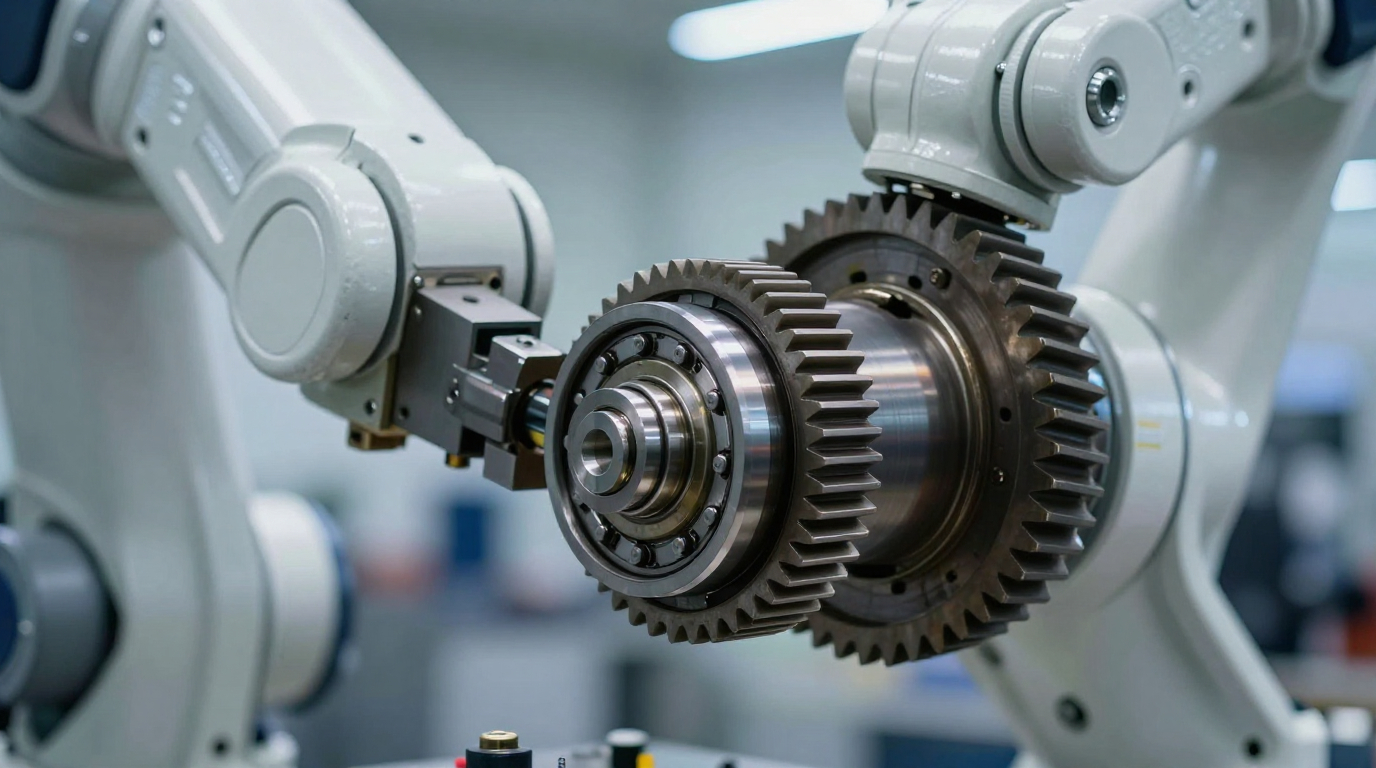
Robot joints typically consist of precision components such as bearings, gears, and harmonic reducers.
These components operate under continuous motion, variable loads, and complex working conditions, which place high demands on lubrication and material performance.
Even minor changes in friction or clearance can lead to vibration or noise amplification in precision systems.

2. Common Causes of Performance Issues
From practical experience, these issues are usually not caused by a single factor but a combination of several conditions.
One of the main reasons is improper grease selection.
General-purpose lubricants may perform adequately under light loads, but their performance can degrade under long-term operation or demanding conditions.
Another factor is lubricant degradation over time.
Grease may experience evaporation, oil separation, or structural breakdown, leading to reduced lubrication efficiency.
In addition, some components operate in areas that are difficult to relubricate, which increases the risk of dry friction and wear.
3. Role of Lubricating Grease in Robotics
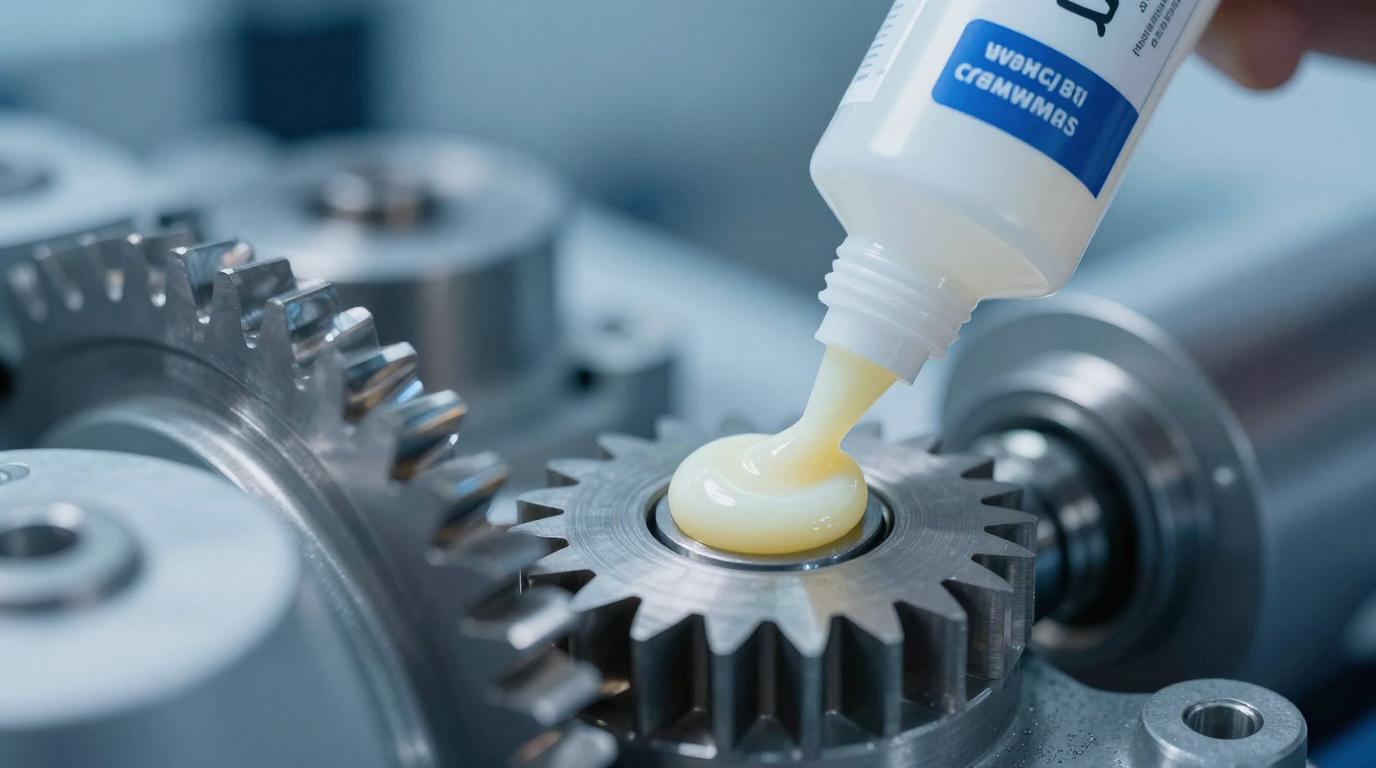
Lubricating grease plays a critical role in ensuring smooth operation and extending service life.
Key requirements for robotic applications include:
Low noise performance
Long-term stability
Thermal resistance
Material compatibility
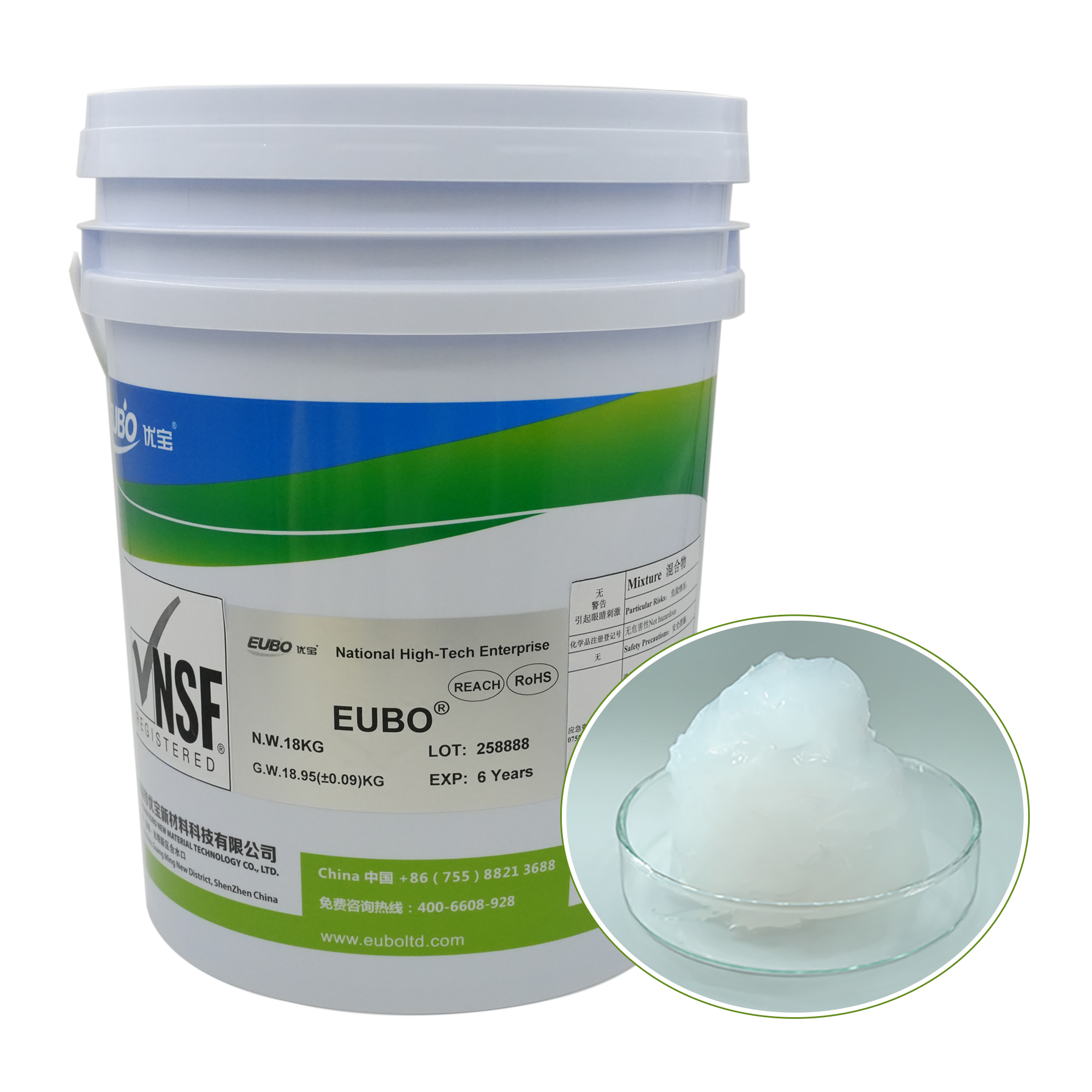
Depending on the application, options such as low-noise grease, high-durability grease, or fluorinated grease are commonly used.
4. Application of Anti-Wear Coatings
In high-load or hard-to-maintain areas, grease alone may not be sufficient to ensure long-term stability.
In such cases, anti-wear coatings or dry film coatings can be applied as a complementary solution.
These coatings form a protective layer on the surface, reducing direct metal-to-metal contact even under insufficient lubrication conditions.
They are particularly effective in:
Long-cycle operation components
High-load mechanical interfaces
Precision structures requiring stable performance
5. Supporting Role of Adhesives
In addition to lubrication and coatings, adhesives can also contribute to structural stability.
Structural adhesives or UV adhesives can help reduce micro-movements between components, improving overall rigidity and reducing vibration-induced noise.
Although adhesives are not the primary solution, they play an important supporting role in certain precision assemblies.
6. Integrated Material Solution Approach
In real-world applications, better performance is often achieved through a combination of different materials:
Grease for lubrication
Coatings for surface protection
Adhesives for structural reinforcement
This integrated approach helps improve system stability, reduce wear, and extend equipment lifespan.
7. Conclusion
Robot joint issues such as noise, vibration, or instability are typically the result of multiple interacting factors rather than a single cause.
By selecting appropriate lubricating grease, applying functional coatings, and using adhesives where necessary, overall system performance can be significantly improved.
For different industrial applications, 优宝新材料 provides comprehensive solutions including lubricants, adhesives, and functional coating materials.